Handing Over Your Passport: The Aussie Player's Field Guide to Surviving KYC Without Getting Burned
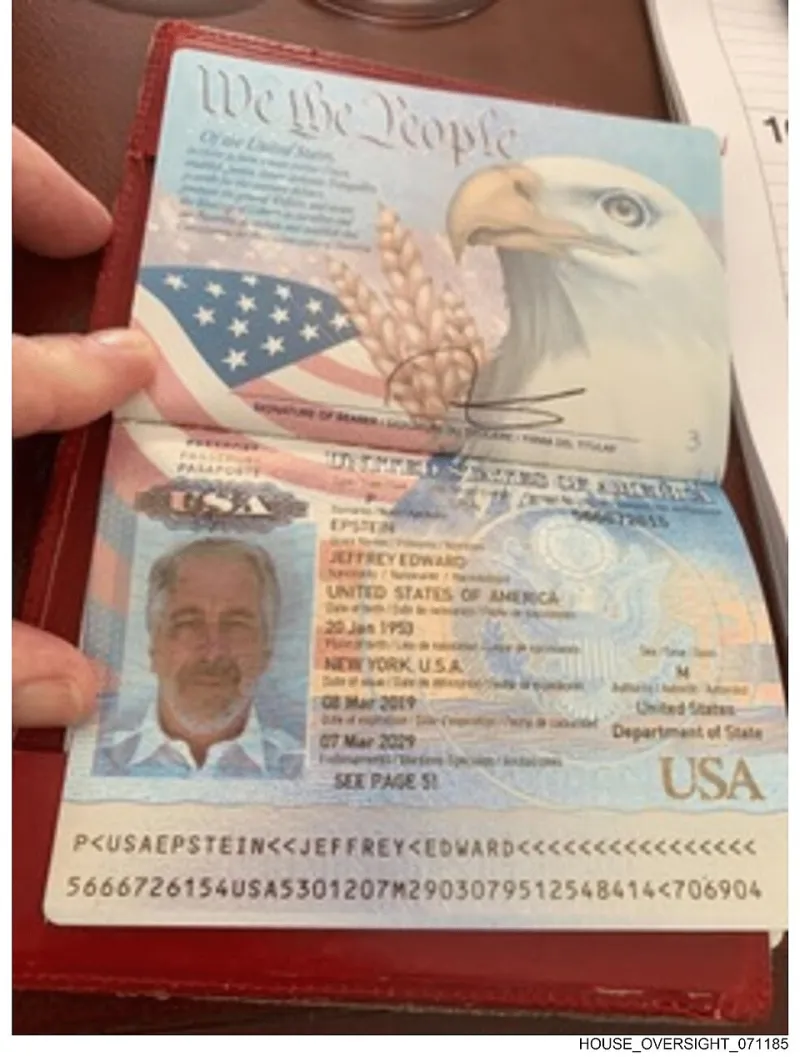
Photo: Passport by US Department of State, Public domain, via Wikimedia Commons
Sooner or later, every player meets the verification crunch. You've hit withdraw, you're picturing the funds landing, and then the casino slides a request across the table: driver's licence, utility bill, a photo of you holding your card like it's a trophy catch. It feels invasive. It is invasive. And yet — it's not automatically a scam.
Here's how to navigate KYC (Know Your Customer) with your identity intact.
Why They Actually Want Your Documents
Legitimate casinos are legally required to verify who you are. Anti-money-laundering rules, licensing conditions, and responsible gambling obligations all demand it. A licensed operator verifying your identity before a big payout is doing their job — annoying as it is.
The problem is that document requests are also the perfect cover for shonky operators. A fake casino asking for your passport gets everything it needs for identity fraud, and you get nothing. So the question isn't "should I send documents?" — it's "does this operator deserve them?"
Red Flags During the Upload Process
Before you upload anything, run through this checklist:
- Who's asking? Verification should happen through the casino's secure account portal or a clearly branded, encrypted upload page. A request via random email or WhatsApp is an immediate no.
- Is the licence real? Check the regulator's public register. If the licence number on the site doesn't resolve to an active licence, close the tab.
- Are they asking for more than they need? A utility bill proves your address. They don't need your full tax file number, bank statements showing your balance, or every page of your passport. Excessive requests from a questionable site are a harvesting pattern.
- Timing games. Some dodgy operators demand endless "one more document" rounds specifically to delay or avoid paying out. If you've sent four documents and they keep inventing a fifth requirement, you're likely being stalled, not verified.
The Verification Crunch: A Step-by-Step Play
When the moment arrives, do it properly:
- Watermark your documents. Many players add a faint overlay reading "For verification with [Casino Name] only" across copies. It doesn't stop all misuse, but it makes documents useless if they leak elsewhere.
- Redact ruthlessly. Block out anything not needed for the stated purpose — middle digits of card numbers, for instance.
- Send through official channels only. The secure portal, always. Keep screenshots of everything you uploaded and when.
- Check the site's privacy policy for a data retention period. Reputable operators state how long they keep your documents after verification. No policy, no upload.
- Set a response deadline in your own head. Standard verification is typically 24–72 hours. Beyond a week with no movement, escalate.
When a Site Goes Under — or Goes Rogue
Even good casinos can collapse, and your documents can end up in a fire sale of customer data. Mitigate the damage:
- Use a dedicated email address for casino accounts, separate from your personal and banking inboxes. If it leaks, the blast radius is contained.
- Never reuse your casino password anywhere else. Non-negotiable.
- Monitor your credit file after any breach notification. In Australia, you can request a free ban on your credit report and place a fraud alert with credit bureaus if things look off.
- If a casino is refusing to pay and you suspect document stalling is the tactic, document everything and complain formally — first to the operator, then to the licensing regulator listed on their site. Regulators take verification abuse seriously because it threatens their own standing.
The Uncomfortable Truth
You will hand over sensitive documents if you play online. There's no fully avoiding it. What you control is who gets them, what they get, and how you limit the fallout if things go sideways. Treat your passport like bait in croc-infested water: fine to use when the setup is right, reckless to dangle over any old riverbank.
Verify the verifier. It's the five minutes of work that protects the next five years of your identity.